AWACN Girls UFS | International Women’s Day 2026
-
by
admin
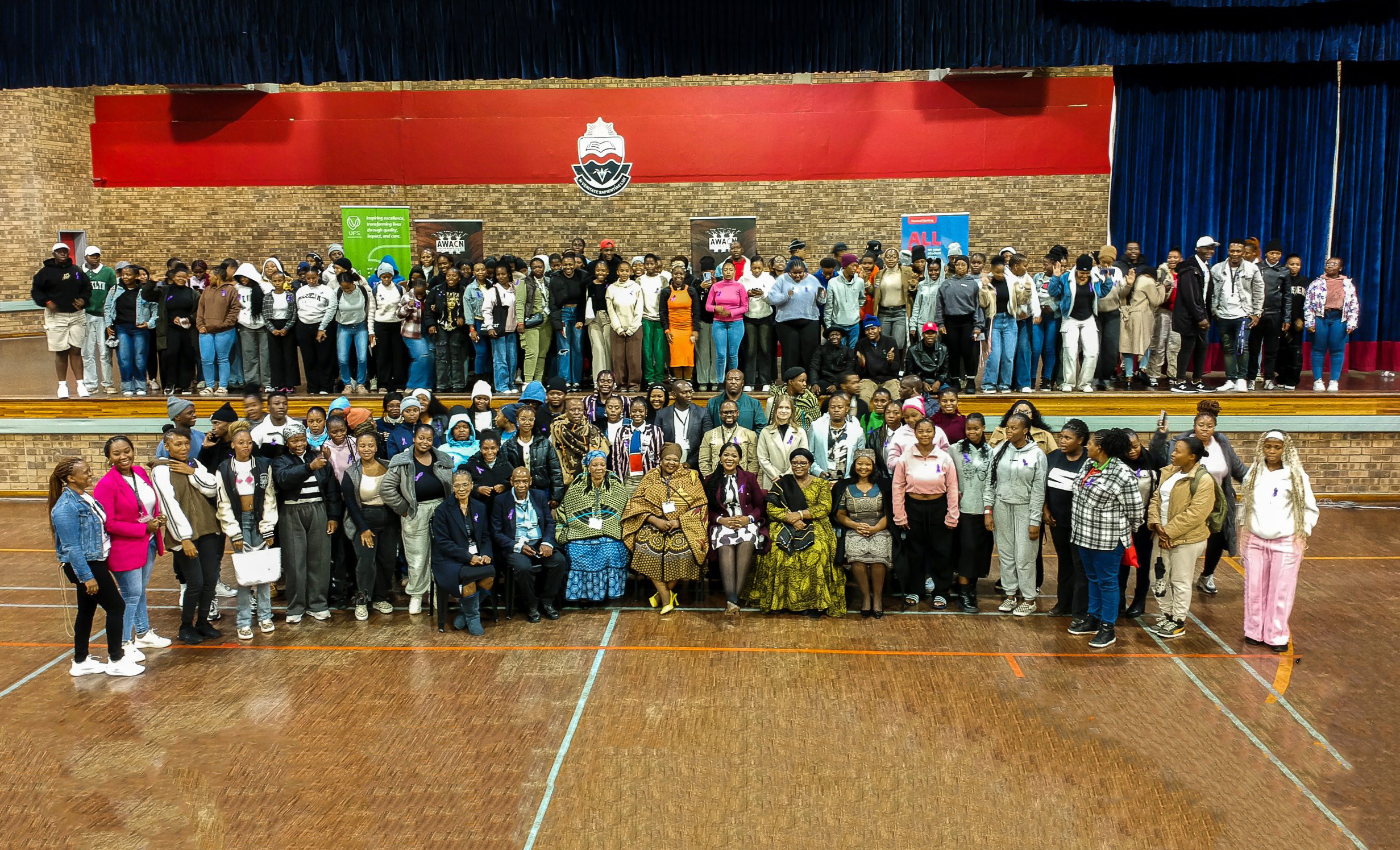
To mark International Women’s Day 2026, African Women Against Corruption Network “AWACN” joined forces with University of the Free State “UFS”, for its flagship AWACN Girls “Girls Against Corruption” initiative. Held under the theme ‘Give to Gain: Girls Leading Integrity, Dignity, and Justice against Gendered Corruption.’ The initiative brought together over 200 young women alongside local traditional leaders, University leadership and community members at the Nelson Mandela Hall for a powerful and necessary conversation.
The programme kicked off with the welcome address by the University’s Director of Student Affairs Ms Zoleka Dotwana, who reminded young women in the room that “today is your day” and they should never be afraid to make a difference.
The initiative underscored the power of collaboration in addressing gendered corruption. In his keynote address, Campus Principal, Prof. Prince Ngobeni affirmed the university’s commitment to this work, expressing that partnership with AWACN will extend beyond a single event. He emphasised that these conversations are critical to the University’s role as a space for both knowledge and conscience.
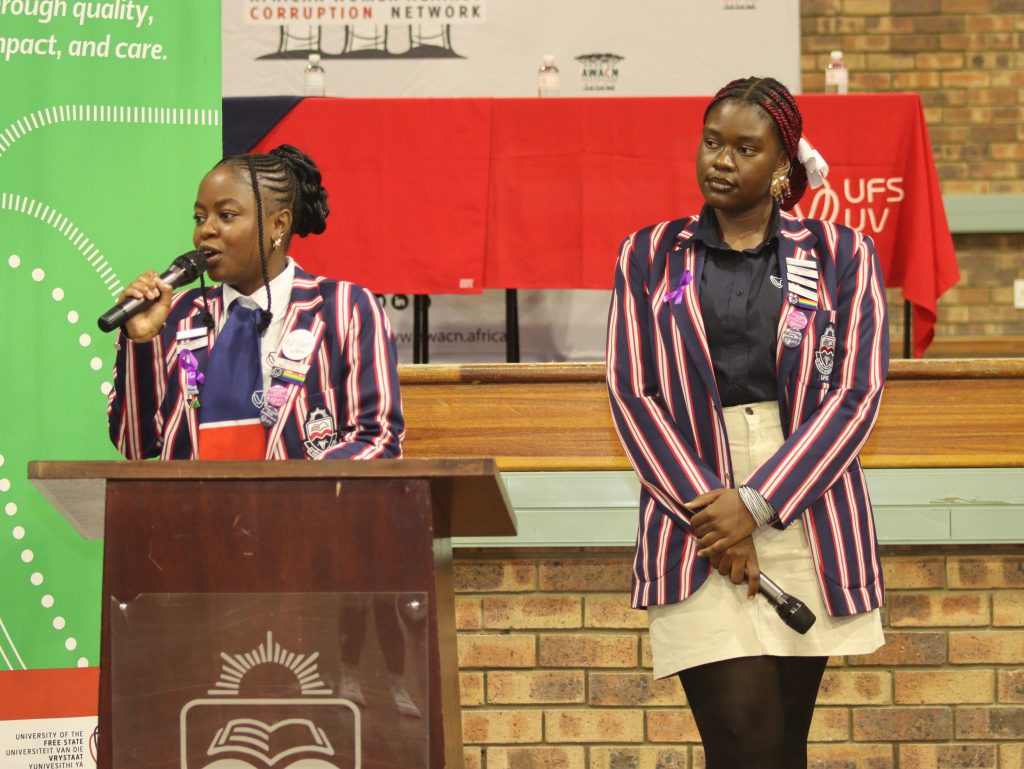
Photo by Zuko Motloung – AWACN
A deeply moving highlight of the programme was a monologue delivered by the members of the university’s Student Representative Council (SRC) which brought to life the lived realities of young women on campuses. “It is disheartening that the currency of corruption has shifted from economic value to value to personal sacrifice with young women expected to compromise their dignity and well-being” shared the SRC Representative, Ms Mokgadi Sathekge. Adding to this Ms Hope Matchesane spoke candindly about the abuse of power within academic spaces “we have heard of stories where lecturers hold grades hostage until dignity is given in exchange, we are expected to give something in order to gain something,” These reflections powerfully exposed the human cost of sexual corruption and the urgency of addressing it.
The panel discussion further unpacked these realities bringing together diverse perspectives. Moderated by the AWACN founder, Zakhona Mvelase, the panel included representatives from ABSA, the Legal Resources Centre (LRC), the EU supported Enhancing Accountability Programme and the University of Free State.
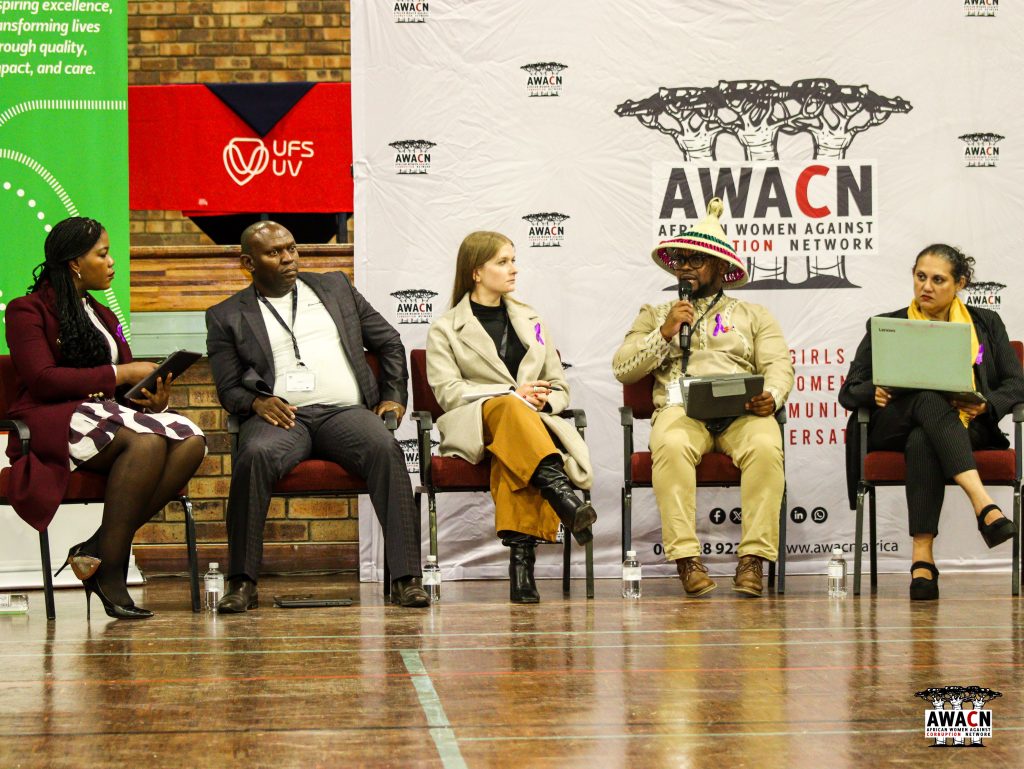
The discussion highlighted how structural inequality, social stigma and economic pressures intersect to create conditions where young women are vulnerable to exploitation. Participants emphasised that for many women saying no is not a simple choice, it is shaped by unemployment, family expectations and social pressure. Ms Claire Ranking from the LRC stressed the importance of legal protection, noting that laws must move beyond to meaningfully change lives. She highlighted the need to challenge stigma and socialisation patterns that continue to silence survivors. Reflecting on broader societal narratives Zakhona Mvelase challenged the categorisation of corruption into “soft” and “hard” forms. “Corruption is corruption. Sexual Corruption is not soft corruption it is corruption and should be treated as such.”
The engagement created a safe space for young women to speak openly. One student expressed frustration at the lack of accountability, noting that while stories of abuse are widely known , justice is rarely seen. Advocate Mokete Makoko from UFS acknowledged this concern pointing to implementation gaps as a serious challenge in South Africa’s fight against corruption.
The programme concluded with a powerful address by the legendary author and actor Dr Jerry Mofokeng wa Makhetha who reminded participants “You are an asset, but you are also the CEO to safeguard that asset. Integrity is an inside job,“. Through storytelling and poetry including poignant narrative of a young woman whose dreams were derailed by sexual corruption, Dr Mofokeng wa Makhetha underscored the deep human cost of corruption and the importance of protecting one’s dignity.
As the day came to a close, it was clear that the initiative had ignited more than a conversation, it had sparked a movement. Young women left the Mandela hall not only with deeper understanding of sexual corruption and reporting mechanisms, but with the renewed courage to speak out and demand accountability. Together , AWACN, UFS and partners planted seeds for sustained action, transforming silence into voice and awareness into collective power. We Rise to Change!